When I look back on my teenage years as a ballet dancer, I can still feel the relentless pressure that shaped every decision I made about my body. I lived in a world where discipline ruled everything—from my schedule to my self-worth. And like many dancers, I spiraled into habits that were far from healthy. For years, breakfast was the only meal I allowed myself. After that? Nothing. Six days of restriction followed by one day of binge-eating, a cycle that felt both punishing and strangely satisfying because it kept me within the ideal I thought I had to maintain.
I weighed only 37 kilos between ages 15 and 17. My hip bones, sharp shoulders, and thigh gap weren’t just features—they were trophies. I adored them, even while they quietly drained the life out of me.
The Culture That Glorifies Fragility
I wasn’t alone in this obsession. Many young dancers, models, and performers are taught—directly or indirectly—that beauty lies in shrinking yourself. It’s a wider cultural issue, too. Growing up female often means navigating a world that praises thinness and equates delicacy with desirability.
Even today, I can admit that part of me still responds to that aesthetic. The conditioning runs deep. But time has changed my values, and I now recognize what I couldn’t see back then: the bodies I once envied were often battling invisible wars.
For example, when I see images of extremely thin actresses, I instantly recognize the danger behind what used to look “perfect.”
When Art Mirrors Reality
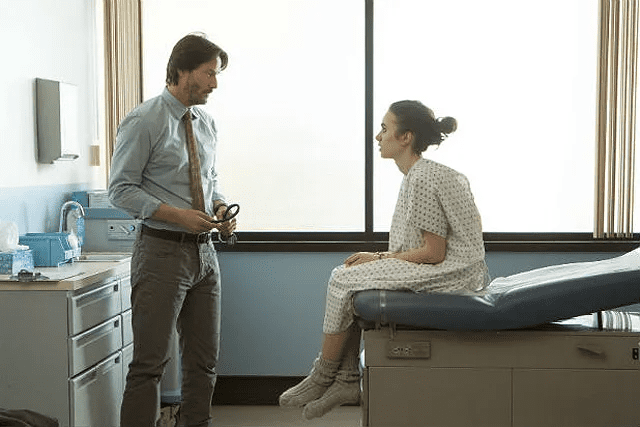
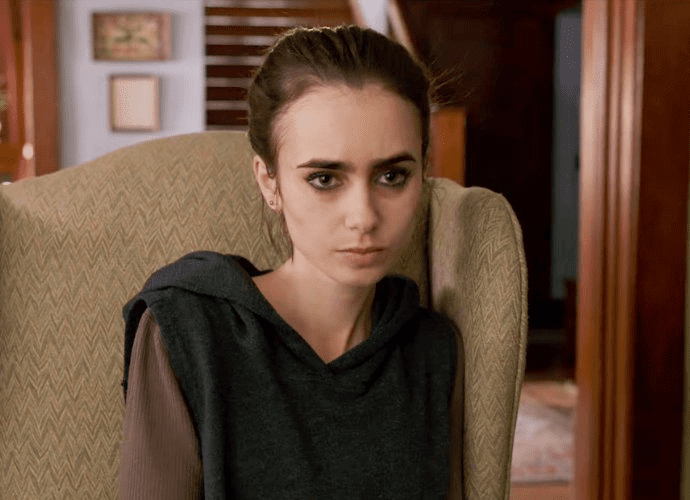
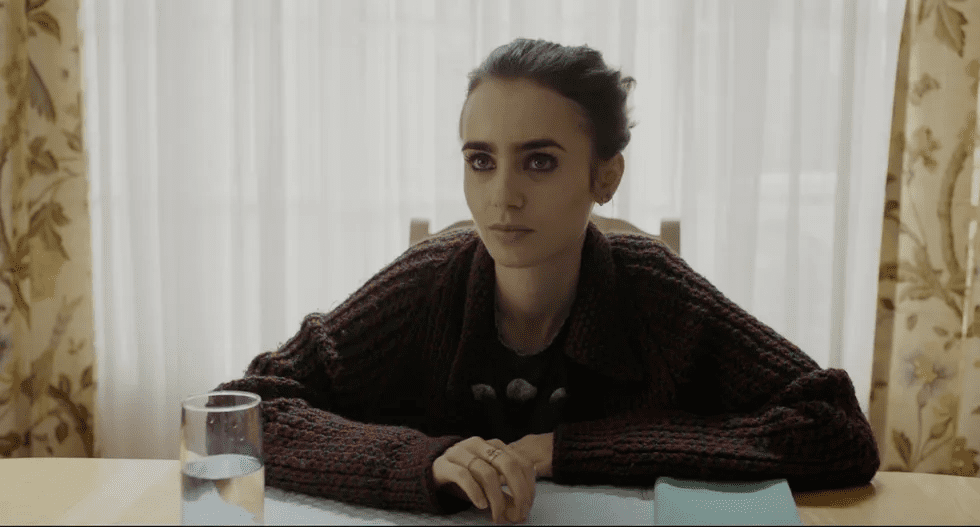
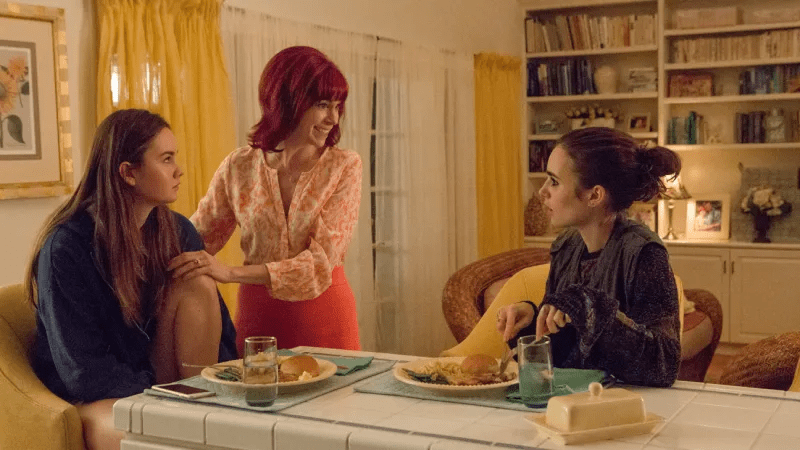
The film To the Bone dives into this issue with an unfiltered honesty. It follows a young woman struggling with anorexia, portrayed by an actress who lost a significant amount of weight for the role—despite having a history of eating disorders herself. The writers and director also lived through similar struggles, which makes the film both raw and unsettling.
The story is powerful because it reflects the familiar battle so many women and girls face. Yet, it’s also complicated. When an actress has to drastically lose weight to represent a life-threatening illness, it can unintentionally send the message that slipping into and out of such a condition is simple—almost like a costume change.
But anyone who has lived it knows the truth: the disease takes lives. And the “cure” isn’t just to eat. It is emotional. Mental. Cultural. Deep.
Why Prevention Is the Real Path to Healing
The harsh reality? The only true cure is prevention. And prevention requires a complete shift in how society values women’s bodies. We would need to rewrite those silent messages that say, “Thinner is better.” We would need to help girls understand that beauty has never been one-size-fits-all.
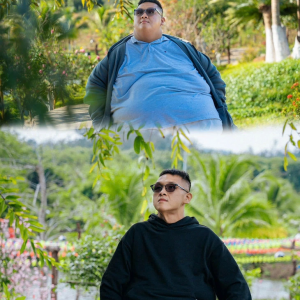
One moment in the film really stood out to me: the inclusion of a girl who wasn’t thin but still suffered from an eating disorder. That mattered. It showed a crucial truth—thinness and heaviness can be two expressions of the same emotional struggle. Both come from a mind tangled in fear, shame, and an obsession with food.
It was refreshing, even if a little uncomfortable. And maybe discomfort is exactly what we need to finally broaden our understanding.
Facing My Own Influence as a Mother
I’ve often questioned whether I was a good guide for my daughter as she faced her own ups and downs with weight. How could I expect her to develop a healthy mindset when I spent my youth idolizing bones and restriction?
But growth happens slowly. I’m learning that supporting her means shifting my perspective entirely. And one truth becomes clearer the older I get:
Being underweight isn’t a goal—it’s a danger.
Carrying extra weight isn’t something shameful—it’s human.
Accepting this has been the first real step in helping both myself and my daughter navigate a healthier, kinder relationship with food and body image.
A Story That Needed to Be Told
In the end, To the Bone succeeds in showing the harsh reality behind glamorized thinness. The film doesn’t point fingers. It doesn’t oversimplify the solution. Instead, it highlights the complexity of eating disorders and the cultural pressures that feed them.
Most importantly, it reveals the truth many young women never hear: being painfully thin isn’t beautiful. It’s exhausting. It’s dangerous. And it steals far more than it gives.
This story doesn’t just matter for those battling anorexia—it matters for all women conditioned to chase unrealistic ideals. Watching it helped me confront parts of myself I hadn’t examined in years, and strangely enough, it helped me begin to heal.
My journey from obsessive thinness to genuine self-acceptance has been long and imperfect. But stories like To the Bone remind us why these conversations matter so deeply. They pull back the curtain on a struggle that affects countless girls and women, often in silence. By challenging the ideals we once chased, we open the door to healthier minds, stronger bodies, and a future where worth isn’t measured by fragility. If this story encourages even one woman to step away from the pressures of perfection and embrace a fuller, freer life, then it is a story worth telling.